Writing Fight Scenes in Roleplay
Attempts not auto-hits, openings, environment and consequences.
By the Minkplay team · Updated
Fight scenes in roleplay go wrong in two predictable ways. Either one side is unstoppable ("I dodge every arrow and defeat all ten guards"), or the fight drags on as an endless exchange of blows that never changes anything. A good roleplay fight is neither. It's fair, fast, and has consequences.
The golden rule: attempt, don't declare
The single most important technique: write what your character tries to do, not what happens.
Declared (auto-hit):
I slash his arm and he drops his sword.
Attempted:
I lunge low, aiming the blade at his sword arm.
The second version leaves the outcome to the other character. They might block, dodge, take the hit, or counter. That's what makes it a fight between two people rather than a narration by one.
Declaring outcomes on another character is called auto-hitting or godmodding; both are covered in the roleplay glossary.
Leave openings
A fight where nobody makes mistakes is dull. Deliberately give your opponent chances:
I overcommit to the swing, and for a heartbeat my left side is wide open.
Openings create tension. Will they take it? It also makes your character feel human. Nobody fights perfectly.
Use the environment
The setting is a third combatant. Every fight is more interesting when the surroundings matter:
- Terrain: mud, stairs, ice, a rooftop edge, a burning floor.
- Objects: chandeliers, tables, a lantern, a bookshelf, a rope.
- Hazards: a rising tide, a collapsing ceiling, an approaching horde.
- People: bystanders who need protecting, or who get in the way.
I kick the brazier over. Burning coals scatter across the tent floor between us.
Now both fighters have a new problem.
Keep each beat small
Long, complex combat moves are hard to respond to. Keep each reply to one or two actions:
- A move (attack, defence, manoeuvre).
- A reaction to what just happened.
Short beats keep the fight fast and give both sides frequent decisions.
Consequences that stick
If nobody ever gets hurt, the fight has no stakes. Let injuries matter:
- A wound slows a character for the rest of the scene.
- Broken equipment changes tactics.
- Exhaustion builds.
- Winning costs something.
And after the fight, let it matter. Injuries need tending, which is a perfect setup for a hurt/comfort scene.
Fights that aren't about winning
The most memorable fights often have a purpose beyond victory:
- Delaying: hold the bridge until the others escape.
- Protecting: keep the enemy away from someone.
- Escaping: get out, not win.
- Persuading: talk them down mid-fight.
- Testing: a sparring match that reveals something about both fighters.
Giving the fight a goal other than "defeat the enemy" opens up creative solutions and gives both sides a reason to talk.
Talking during fights
Dialogue during combat should be short and loaded. Taunts, pleas, revelations:
Our blades lock. He leans in close. "You fight like your father." I shove him back. "You knew my father?"
A revelation mid-fight changes everything after it.
A complete example
You: The guard rushes me across the narrow bridge. I drop my lantern and raise the staff to block his first swing.
Character: Steel cracks against wood. He's stronger, forcing me back a step toward the rail. "Nowhere to go, thief."
You: I glance at the water below, then at the frayed rope holding the bridge's centre plank. I sweep the staff low toward his ankles. Not to trip him, but to make him step onto that plank.
Character: He sidesteps the sweep, onto the frayed plank. It groans. "Was that supposed to—" The rope snaps.
Attempted actions, an opening, the environment used cleverly, short beats, and a consequence. That's a good fight.
Fight-scene checklist
| Do | Avoid |
|---|---|
| Write attempts | Declaring outcomes for the other side |
| Leave openings | Perfect, untouchable characters |
| Use the setting | Fighting in a featureless void |
| Keep beats short | Five-move combos in one reply |
| Let injuries matter | Wounds that vanish next message |
| Give the fight a purpose | Endless trading of blows |
Pacing combat
Combat pace should be fast, with short sentences and quick exchanges, then slow down dramatically at the decisive moment: the final blow, the fall, the rescue. More on this in pacing a roleplay story.
Characters to spar with
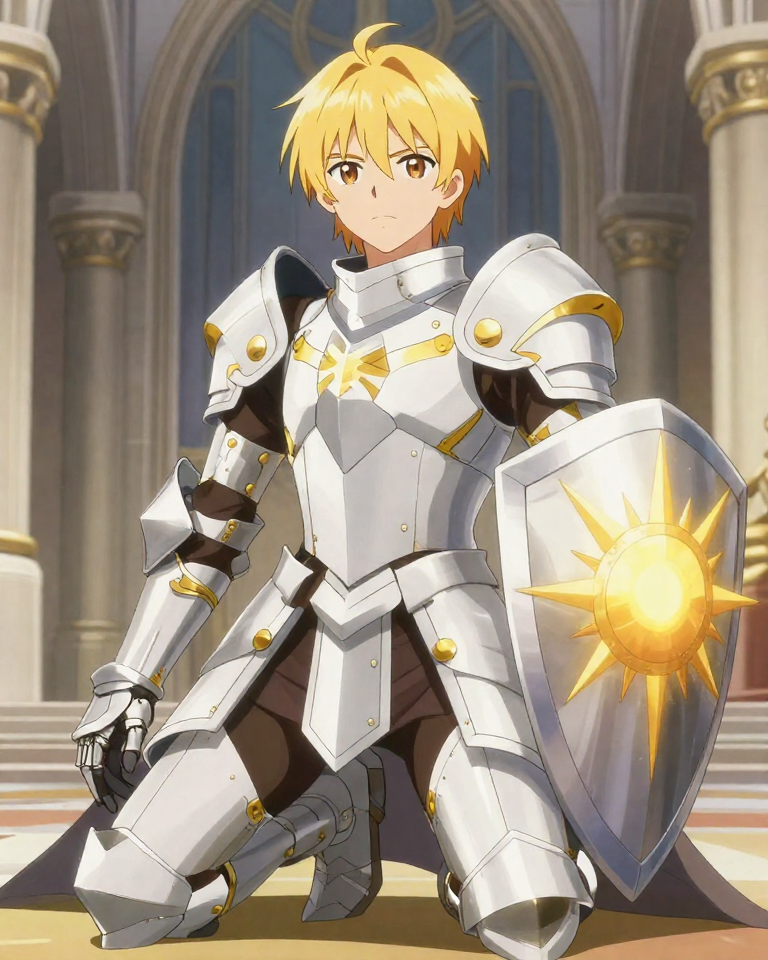
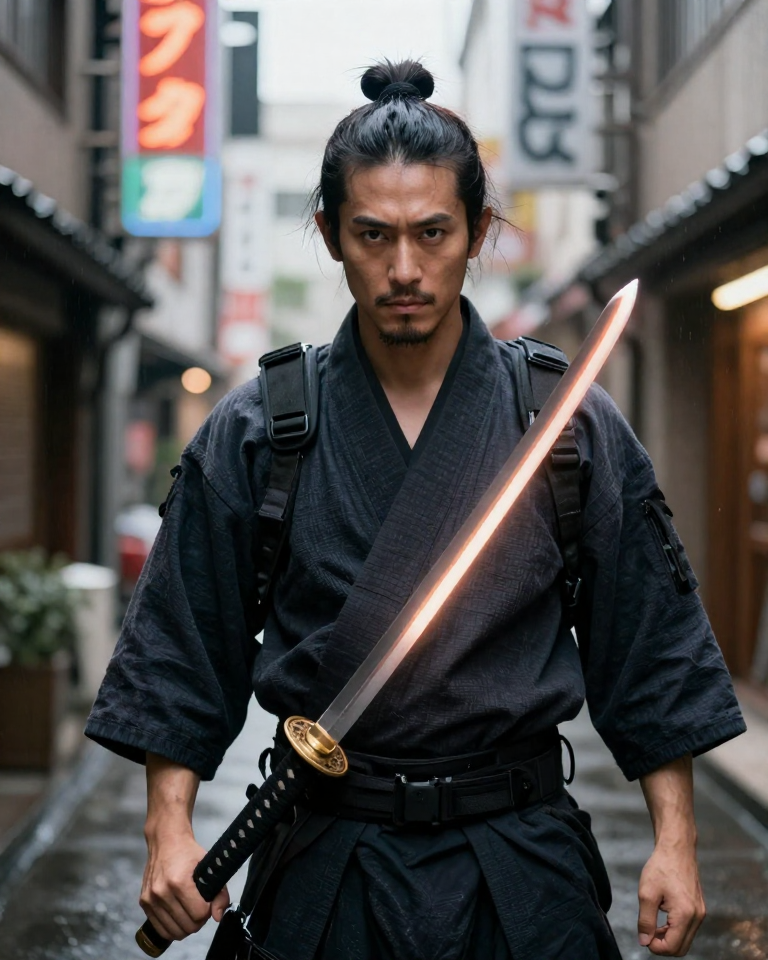
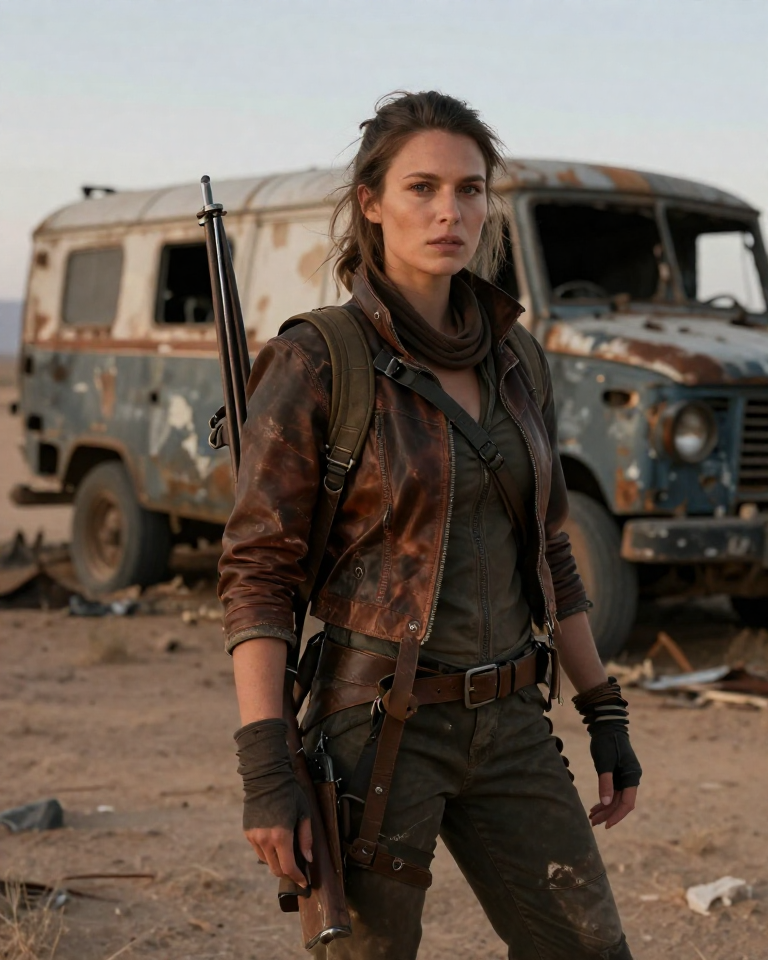
Galahad the paladin is defending a besieged cathedral, Blade fights street-samurai style in Sector 4's back alleys, and Mara is the scavenger who just pulled you out of an overturned truck surrounded by walkers.
For knightly duels, see knight characters. For fantasy settings with plenty to fight, try the fantasy roleplay prompts.
Characters to try this with
Want your own version? Build a custom character in the Studio.
Keep reading
- GUIDESRoleplay GlossaryOOC, IC, godmodding, slow burn and 45 more terms, with examples.
- GUIDESPacing a Roleplay StoryScene and sequel rhythm, time skips, and when to slow down.
- ARCHETYPESKnight Characters in RoleplayOaths, honour under pressure, and duty against conscience.
- PROMPTSFantasy Roleplay PromptsQuests, curses, magic gone wrong and quiet nights: 20 starters.
- GUIDESPlaying a Solo RPG With AISession setup, dice and checks, and keeping the challenge honest.
- GUIDESWriting Romantic Tension, Safe-for-WorkProximity, interruption, subtext and the almost-moment.
- GUIDESHow to Run a Mystery RoleplayA clue-chain template, fair red herrings, and a satisfying reveal.
- PROMPTSZombie Apocalypse Roleplay PromptsOutbreaks, safehouses, convoys and hard choices: 20 starters.