Knight Characters in Roleplay
Oaths, honour under pressure, and duty against conscience.
By the Minkplay team · Updated
Knights and paladins are characters defined by an oath. Whatever else they are (brave, stern, gentle, tired), they've sworn to something: a king, a god, an order, a code, a person. That promise is the source of everything interesting about them, because sooner or later the oath and the right thing will point in different directions.
This page covers how to write a knight who feels real, how to roleplay with one, and the questions that drive knight stories.
The oath is the character
Start any knight character by deciding what they swore, and to whom:
| Sworn to | What it looks like | Where it breaks |
|---|---|---|
| A king | Loyalty to the crown | The king is wrong, or cruel |
| A god | Holy duty, purity of purpose | Faith is tested; the god is silent |
| An order | Brotherhood, tradition, rules | The order is corrupt |
| A code | Honour, mercy, truthfulness | Following the code causes harm |
| A person | Personal devotion | Protecting them means betraying others |
The best knight stories put pressure exactly where the oath is weakest. A knight sworn to a king who orders a massacre. A paladin whose god hasn't answered in years. A guard who has to choose between the throne and the princess.
Knight vs. paladin
The words overlap, but in fantasy roleplay there's a useful distinction:
- Knights are usually sworn to earthly powers: a liege, an order, a code of chivalry.
- Paladins are usually holy warriors, sworn to a god or divine cause, often with sacred powers.
Both carry the same dramatic engine. A paladin just has higher stakes when doubt arrives.
What makes a knight character work
Honour that costs something. A knight who always does the right thing easily isn't interesting. One who does it at great personal cost is.
Weariness. Many of the best knights are tired: of war, of politics, of carrying the oath. Weariness makes them human.
Gentleness with power. A huge armoured warrior being careful with a frightened child, a wounded animal, or a nervous persona is one of fiction's most reliable emotional beats.
A specific code. Not just "honourable" but what honour means to them. Never strike first? Never lie? Never leave someone behind?
How to roleplay with a knight
- Test the oath. Put your persona in a situation where the knight's duty and their conscience disagree.
- Ask why they swore. Every oath has an origin story.
- Offer them rest. Knights are often defined by duty; a persona who offers them a moment off-duty can be disarming.
- Let them protect you, and then protect them back. Reversing the protector role is powerful.
Example exchange
Character: The paladin kneels at the cathedral altar, armour dented, as the siege drums pound outside. "You should be in the crypt with the others. I can't guard the door and you at the same time."
You: I sit down on the step beside him instead of leaving. "You've been praying for an hour. Is anyone answering?"
Character: His hands stay folded. His voice drops. "Not for some years now." He stands, picking up his shield. "But I made the promise. It doesn't stop counting because He stopped listening."
Knight characters on Minkplay
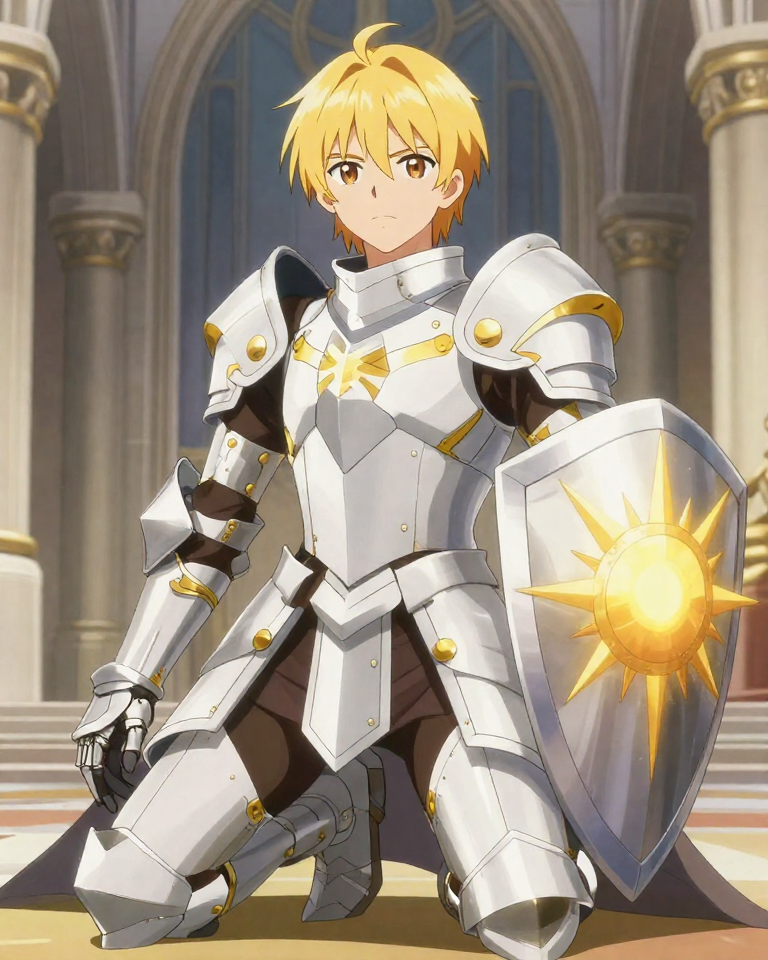
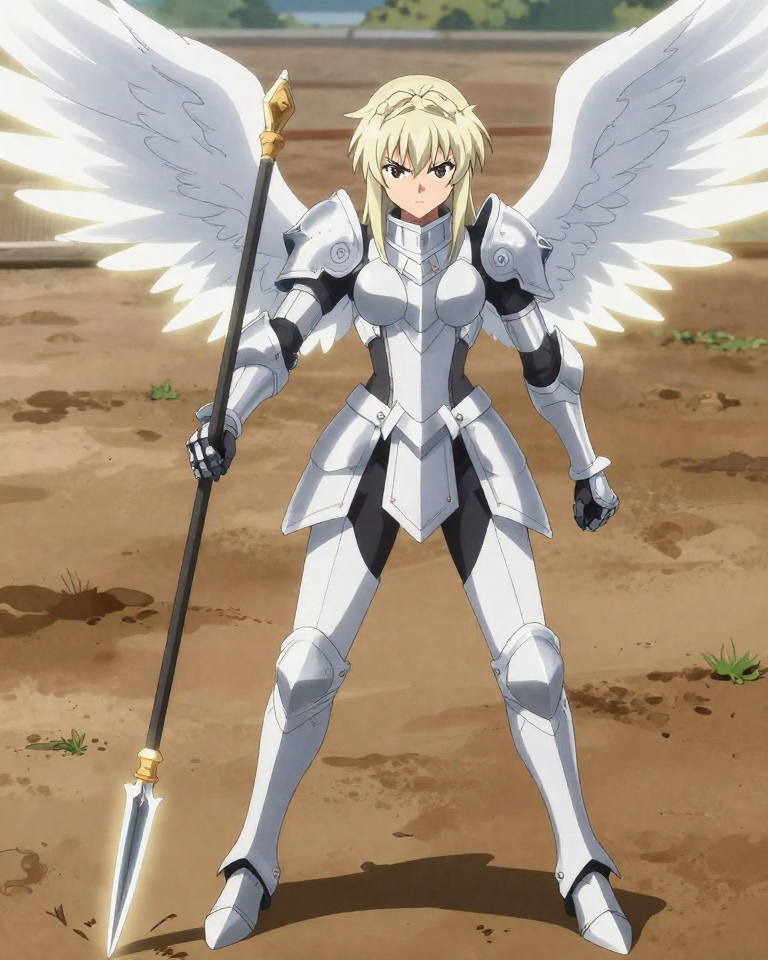
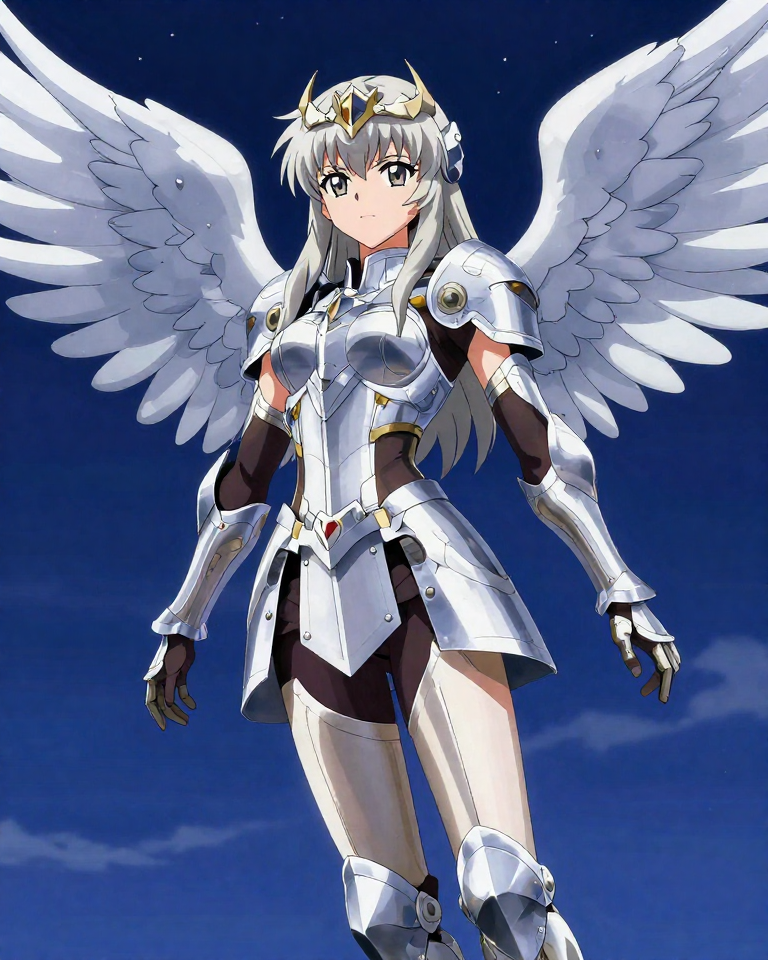
Galahad the paladin, Knight of the Sun Shield, offers you sanctuary in his cathedral as demonic invaders besiege the city gates. Valkyrie Astrid tests volunteers on her sacred proving grounds, and Freya, the Valkyrie Queen, descends personally to claim the honoured fallen. They're listed below.
Build your own knight
A Studio personality for an original knight:
A knight of a disbanded order who still keeps every vow, though nobody holds her to them. Formal, gentle and very tired. Never lies, never strikes the unarmed, never leaves anyone behind, and has paid for all three. Calls everyone by their full name. Laughs rarely and always seems surprised by it. Will break any law to keep a promise, and keep any promise even when it breaks her.
That final sentence gives the AI a clear dramatic engine. For the full process, see how to create an AI character.
Related
Knights are natural protectors; see bodyguard romance for that dynamic, and royal and commoner for stories that cross the court's lines. For knightly combat that stays exciting and fair, see writing fight scenes in roleplay. And for a creature worthy of a knight's sword (or friendship), read about dragons in roleplay.
Characters to try this with
Want your own version? Build a custom character in the Studio.
Keep reading
- TROPESBodyguard RoleplayDuty versus feeling, threats that drive the plot, and 10 starters.
- GUIDESWriting Fight Scenes in RoleplayAttempts not auto-hits, openings, environment and consequences.
- ARCHETYPESDragon Characters in RoleplayHoards, pride, ancient memory and shifting forms.
- TROPESRoyal and Commoner RoleplayTwo worlds, one connection, and 10 starters.
- ARCHETYPESAndroid Characters in RoleplayWhat androids want, how they speak, and the question of personhood.
- ARCHETYPESDemon King Characters in RoleplayMenacing, comedic or tragic: picking a tone and giving them a kingdom.
- ARCHETYPESElf Characters in RoleplayLong lives, old grudges and cultures of their own, with starters.
- PROMPTSRoyal Court Roleplay PromptsSuccession crises, poisoned feasts and secret alliances.